

IExecutive Summary
Localization of aid can be defined as a process of identifying, valuing, and consolidating the leadership of host governments and the capacity of local civil society in humanitarian action in order to mobilize a timely and coordinated humanitarian response to people affected by natural hazard induced disasters or conflict. The idea of promoting localization in humanitarian aid through specific commitments of aid organizations and donors was established with the Grand Bargain (GB) and Charter for Change (C4C) commitments. By that time, it was widely recognized that national and local actors should become a central part of humanitarian aid due to low structural costs and geographical and cultural proximity to the populations in need.
The various actors – donors and Internationational Non-Governmental Organizations (INGOs) agreed to allocate at least 20% in C4C to 25% in GB of direct humanitarian funding to local and national responders to improve outcomes, increase and support multi-year investment in capacity building activities of local and national actors, remove or reduce barriers that prevent international organizations and donors from engaging on an equal basis with local and national responders and include them in international coordination mechanisms.
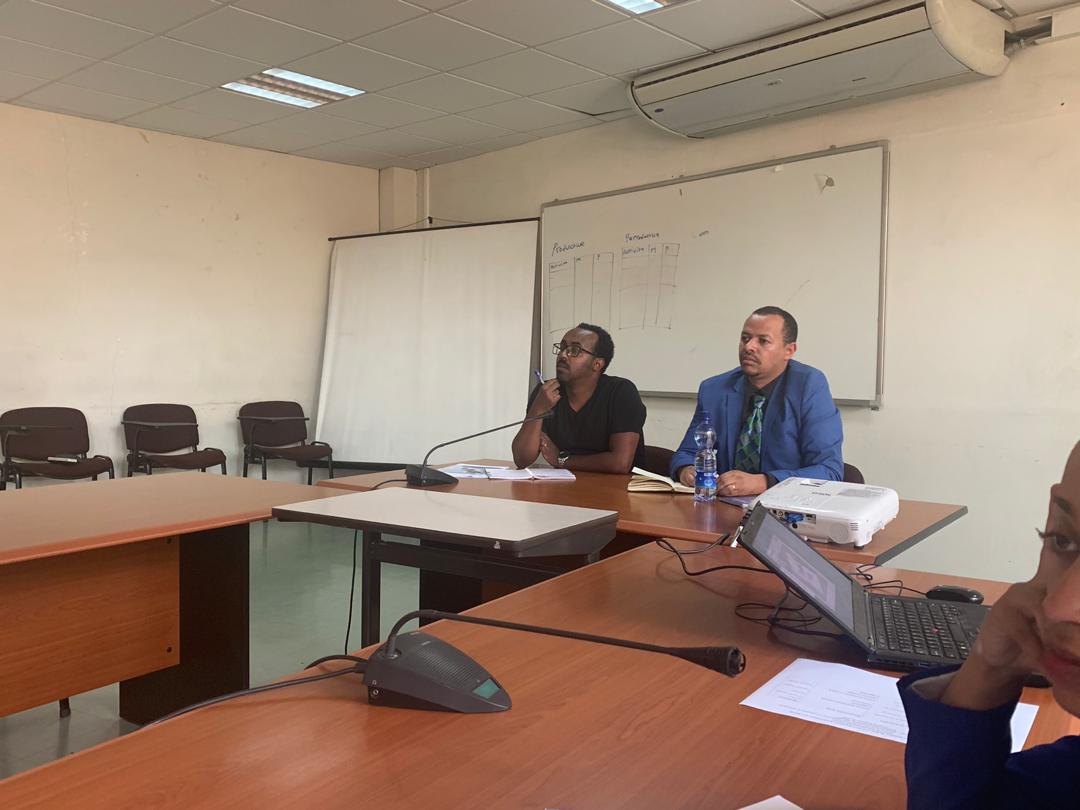
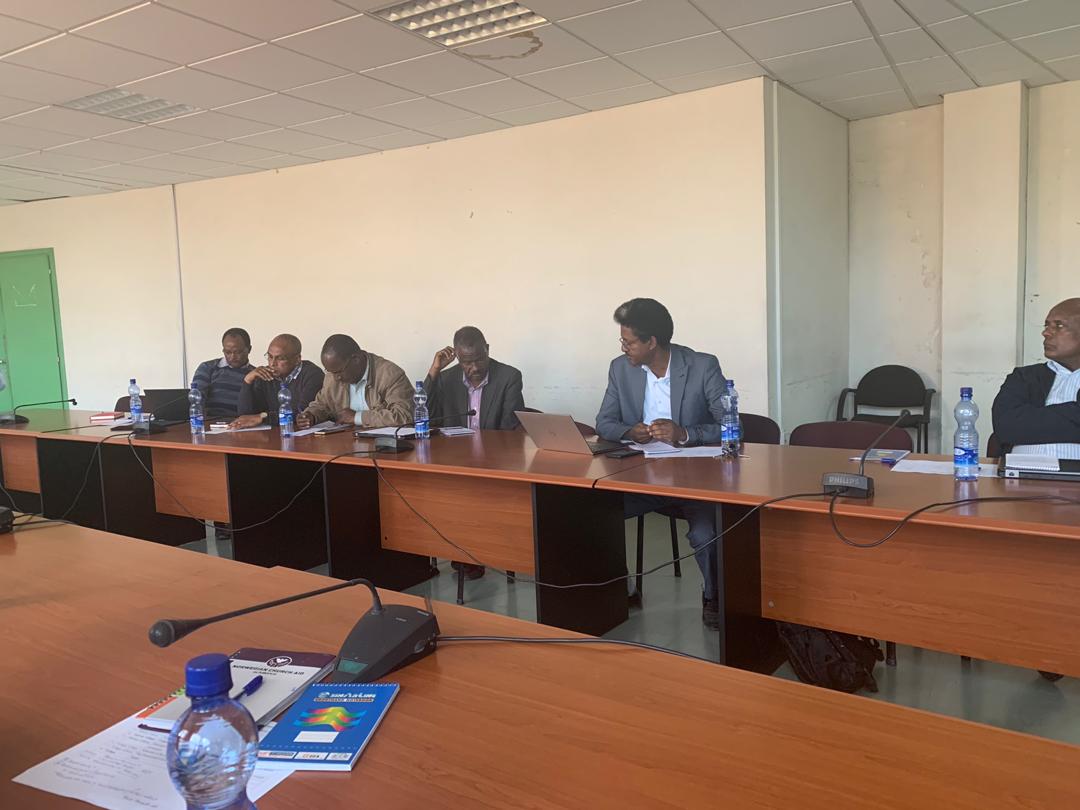
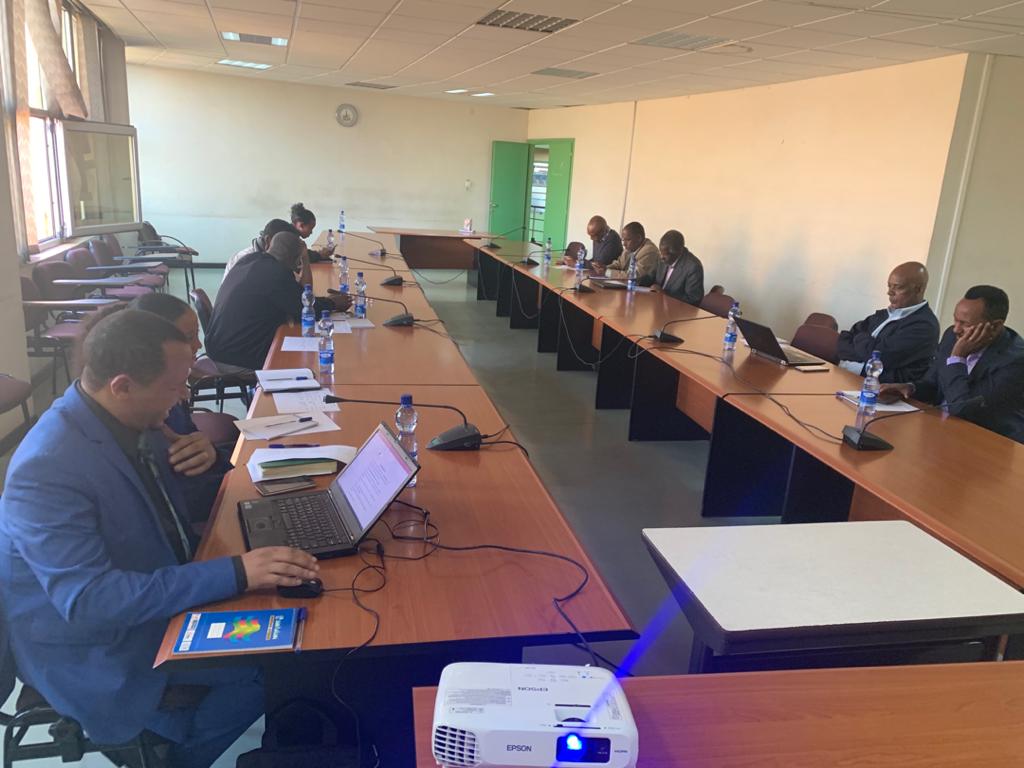


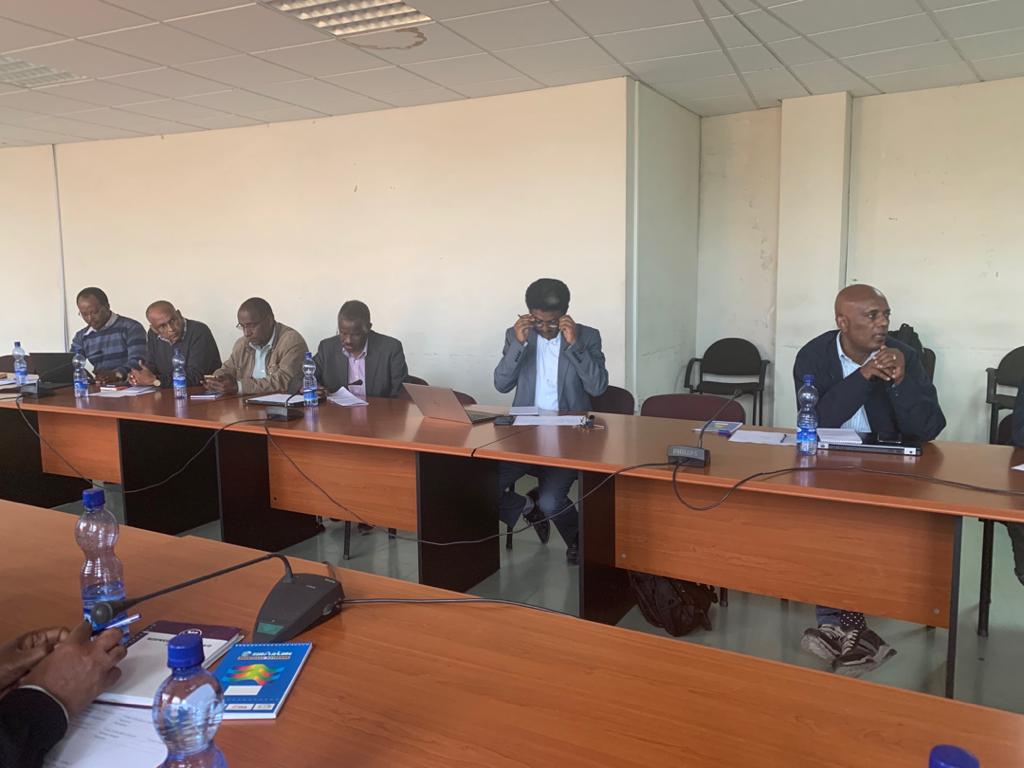
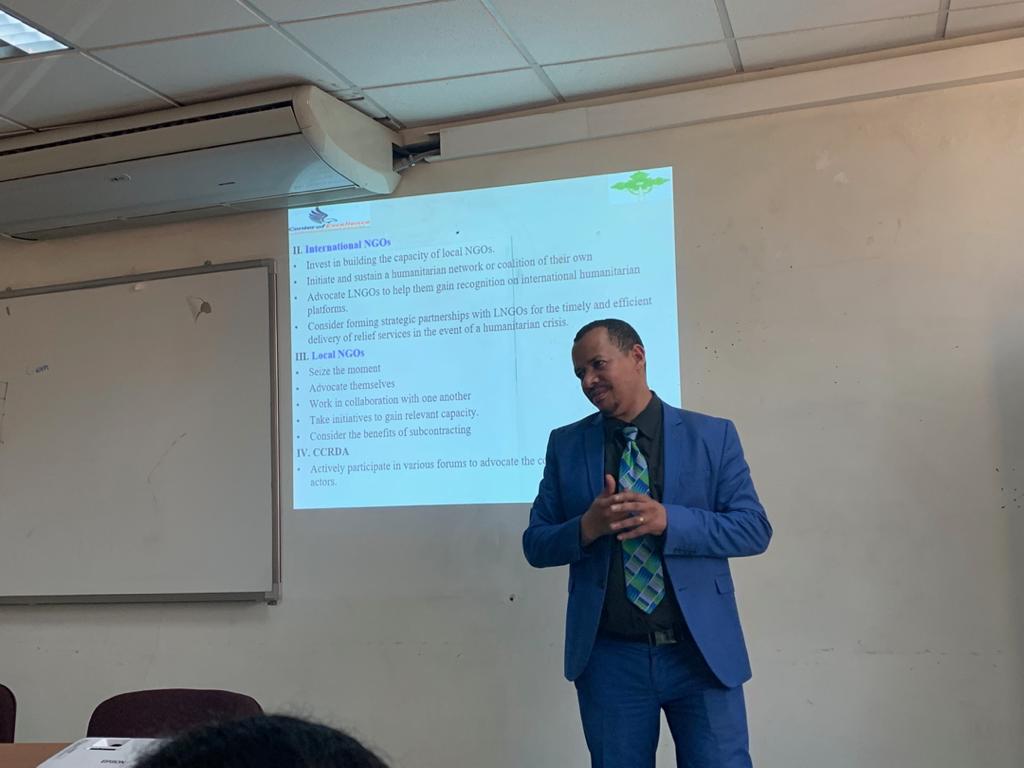





Even if the commitments can be considered as good opportunities for better implementation of localization of aid, there are still gaps in its practical scenarios. It is found that there is a gap in the quality of partnerships and how they are seen and perceived by those involved in the – multilateral and bilateral donors and INGOs. The words used by INGOs to describe their approach to partnerships and their partnership practices do not match the reality as experienced by local partners. This research, therefore, aims to: assess the overall implementation of the Grand Bargain and the Charter for Change by signatories in Ethiopia and assess the implementation challenges and opportunities faced by signatories and make recommendations based on best practice.
A qualitative research method employed in this study: data were collected from both primary and secondary sources. In this regard, inter-method triangulation employed, i.e., situations in which two or more methods of different methodological origin and nature are used, which do not share the same methodological weaknesses, that are errors and biases. The triangulation methods employed in this study are Key Informants Interviews (KII), Focus Group discussions (FGDs), and a desk review. Exploratory, descriptive, analytical, and critical methods of data analysis employed to analyze the data collected.

